

VENICE – The North Adriatic Sea port system closes 2025 with growing traffic, solid accounts and a push on infrastructure investment that has slowed compared with the NRRP “boom”. This is the picture that emerges from the general financial report of the North Adriatic Sea Port Authority – Ports of Venice and Chioggia, approved today.
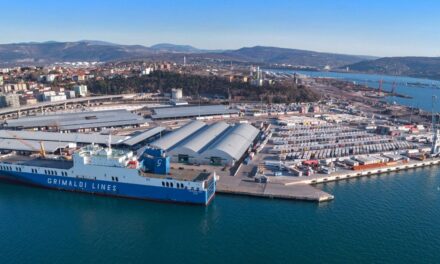
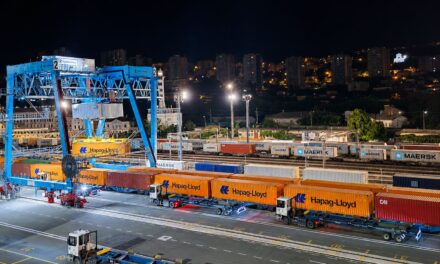
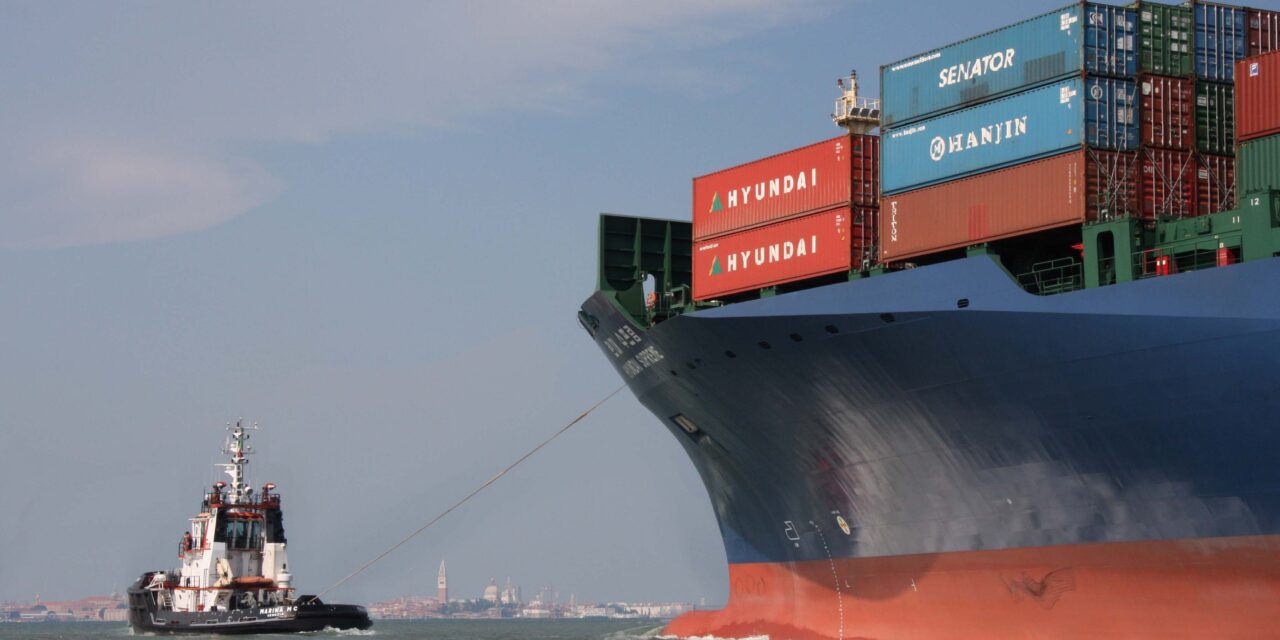
One of the main developments concerns traffic performance: in 2025 the two ports handled a total of 26.2 million tonnes of goods, up 5.1% compared with the previous year. Venice grew by 4.9% to 25.3 million tonnes, while Chioggia recorded a 10.7% increase to 900,000 tonnes, confirming the complementary role of the two ports within the Upper Adriatic logistics system. Growth was driven above all by the commercial sector and container traffic, with TEU rising by 11.2%, from 478,000 to more than 532,000 units.
Passenger traffic also increased, reaching 700,000 people, thanks to the growth in cruises and ferry connections.
On the economic and financial front, the report shows an administrative surplus of 83.2 million euros and a positive current operating result of 27.5 million euros.
From 1996 to today, the total value of investments carried out by the port of Venice has exceeded 1.5 billion euros, with the annual value falling from 73 million euros in 2024 to 19 million euros in 2025.
Although reduced compared with the years marked by NRRP and PNC resources, investments remain focused on strategic works for the accessibility and efficiency of the port. In 2025, almost 19 million euros were allocated to infrastructure and dredging works, with the main projects concerning the new railway bridge over the west canal, dredging of the port channels in both Venice and Chioggia, and maintenance of the Malamocco-Marghera channel.
In the report, president Matteo Gasparato stresses the port system’s ability to maintain stability and competitiveness in a complex international context, marked by geopolitical tensions and transformations in global logistics chains: «Donald Trump’s return to the Presidency of the United States has contributed to redefining international balances, fuelling new trade tensions and a renewed push towards protectionist policies. At the same time, the continuation of the war in Ukraine and instability in the Middle East have increased uncertainty, putting pressure on the system of international relations and the traditional Euro-Atlantic framework. In this scenario, Europe is called upon to strengthen its strategic autonomy, both economically and in terms of security, by developing a system that is more resilient and less exposed to external shocks».
Gasparato also highlighted the importance of enhancing «strategic sites, also in view of the return of significant assets. The market consultation for megayacht traffic falls within this framework, with the aim of developing high value-added segments».
t.b.