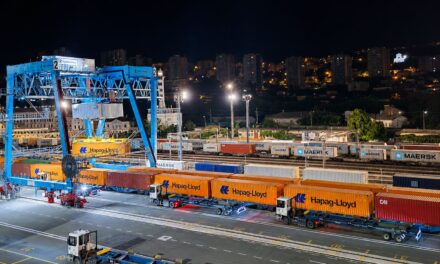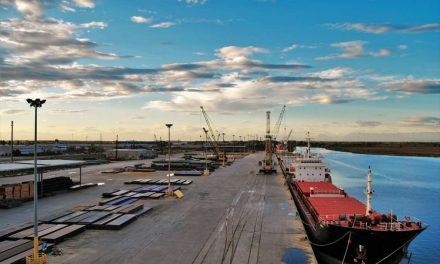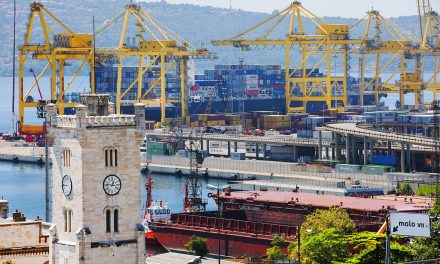


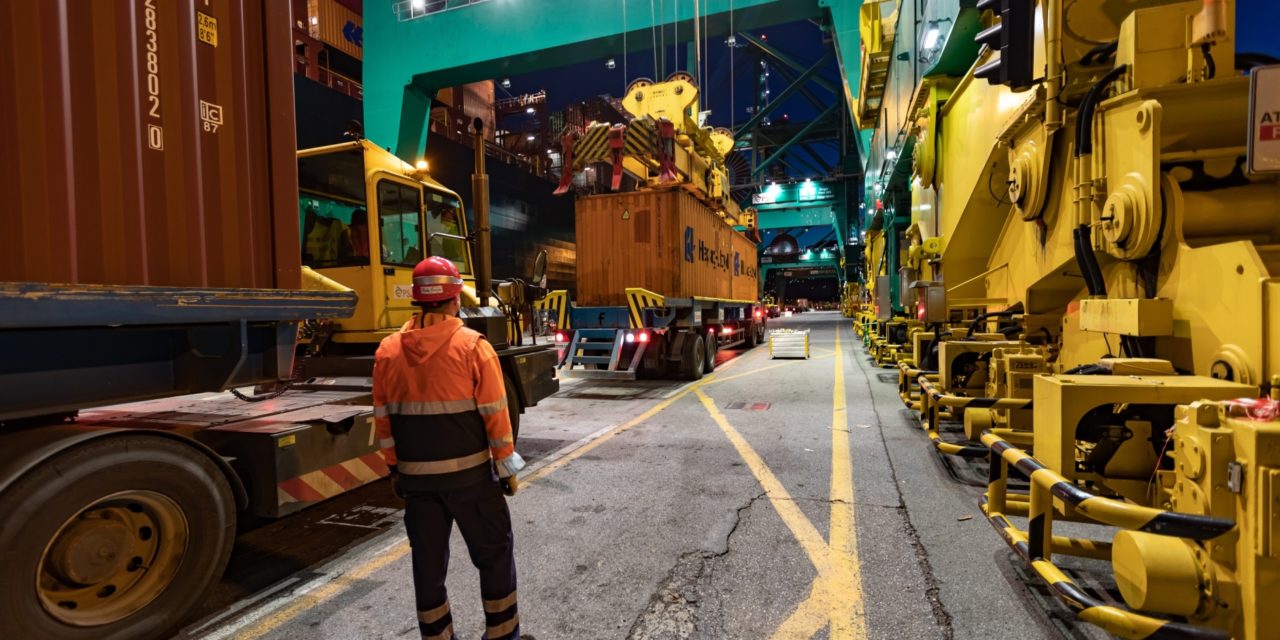
VENEZIA – A direct connection between the Port of Marghera and Interporto Padua, and new horizons for port activity through an expanded commercial network.
This is the scenario being explored following the announcement in recent days by PSA Intermodal Italy (the new operator of the rail terminal at Interporto Padua), which is bringing the Port of Venice and the inland facility increasingly closer.
It is still too early to speak about scheduling, and PSA is not hiding that either, also because agreements are still being defined—starting with the name of the company that will manage terminal operations.
From the global player, mouths are firmly shut, both at national and local level, and they will remain so until the definitive closing of the deal, expected within the first half of 2026.
For PSA this is a significant investment, which will lead to control of the new company, although the members of the Board of Directors still have to be defined, a topic on which maximum discretion still applies. According to the latest statements, reassurances concern employment, with the underlying idea of further investment and additional hiring, but without any layoffs.
If timelines are still too early to go into the operational details that will be seen in Padua, what is clear is PSA’s objective desire to expand its market. Much of the management of Vecon (PSA’s Venice arm) in Venice is linked to road traffic. There is therefore room to grow beyond the immediate area, since the current market is tied to neighbouring territories.
This is where the Padua opportunity could foster the development of rail services. Trains could certainly be an option to broaden the company’s operational horizon, but not only that. The Port of Venice would directly benefit from the increased attractiveness generated by PSA’s investment. It could draw customers interested in developing market potential also towards Central Europe, meaning Venice could aim to serve wider areas.
The positive comment by Davide Calderan, head of the Venice Port Community, the organisation bringing together logistics and port operators across the system, suggests this is more than mere hope. «We welcome the news that a terminal operator also present in Venice has made this investment in Interporto Padua. It is certainly good news for all of Venice, because such visions confirm the importance and strategic nature of our port. The port will be able to count on fruitful cooperation that will expand commercial horizons, generating further added value for the port economy and reaffirming its importance on an international scale».
The turning point would therefore be moving from competition to “co-opetition” and, in PSA’s current vision, to full cooperation. This is a model repeatedly advocated by both politics and industry for the development of a large “Pa–Tre–Ve” area—an economic infrastructure running from Padua to Treviso, via Venice—with numerous economic benefits.