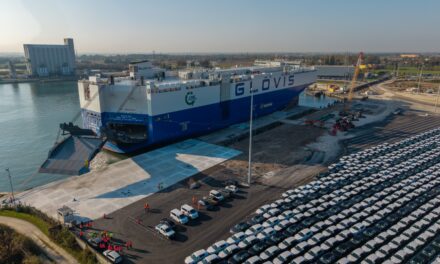


TRIESTE – A shipment of counterfeit money and forged documents destined for the European market has been seized at the port of Trieste by the Guardia di Finanza and the Customs and Monopolies Agency.
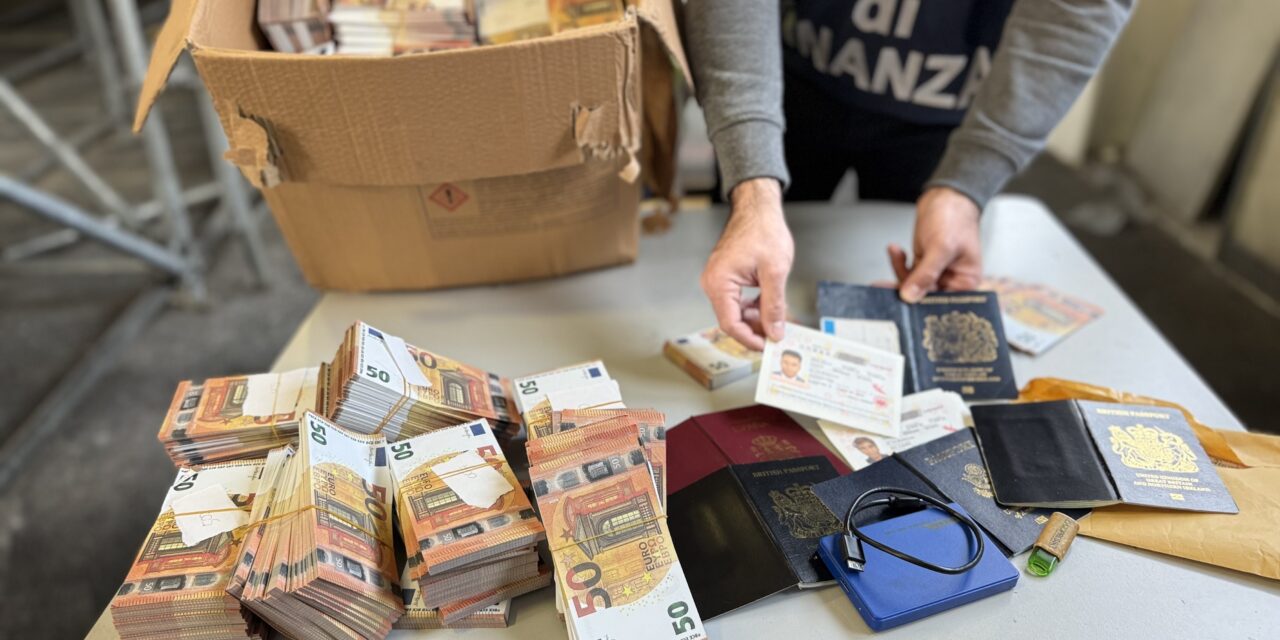
The operation led to the confiscation of €170,000 in counterfeit banknotes, dozens of forged documents and around 10,000 digital files usable for the production of false identities. The investigation is being coordinated by the Trieste District Anti-Mafia Directorate.
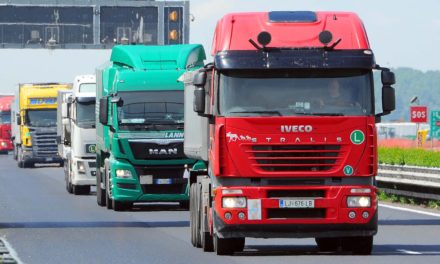
The inspection — which in fact took place last year — was carried out as part of customs surveillance activities on Ro-Ro traffic. Officers identified a lorry coming from the Turkish port of Akçansa/Gemlik and bound for Hamburg, with a shipment sent by a Turkish company in the telecommunications sector and destined for a Dutch company. Inside the vehicle, 23,400 counterfeit €50 banknotes were found, with a nominal value of more than €1 million, together with 25 forged paper documents: a Moroccan identity card, five British and US passports, five residence permits issued by Lithuanian, Greek and Finnish authorities and 14 visas attributable to diplomatic authorities of Spain, Germany and Belgium.
Computer checks on a seized hard disk and USB stick also made it possible to identify around 10,000 files containing logos, photographs, fonts, alphanumeric codes, names and software dedicated to the production of forged documents. The material included 110 already prepared certificates, including 75 visas, 13 identity cards, 11 residence permits and nine driving licences from numerous European and non-European countries.
Among the documents, investigators also found an Italian driving licence in the name of a Russian citizen, an asylum seeker in Italy who is currently untraceable and has been reported by investigators as close to circles of Islamic extremism. According to investigators, the seized material could have been used for identity theft, cyber fraud, money laundering and aiding illegal immigration. Further investigations are also under way in other European countries through international cooperation channels between judicial authorities and police forces.