

TRIESTE – The new lowland railway line between Rijeka and Zagreb has recently obtained environmental approval for the entire route, unlocking one of the most delicate steps toward building what in Croatia is already being called “the project of the century.”
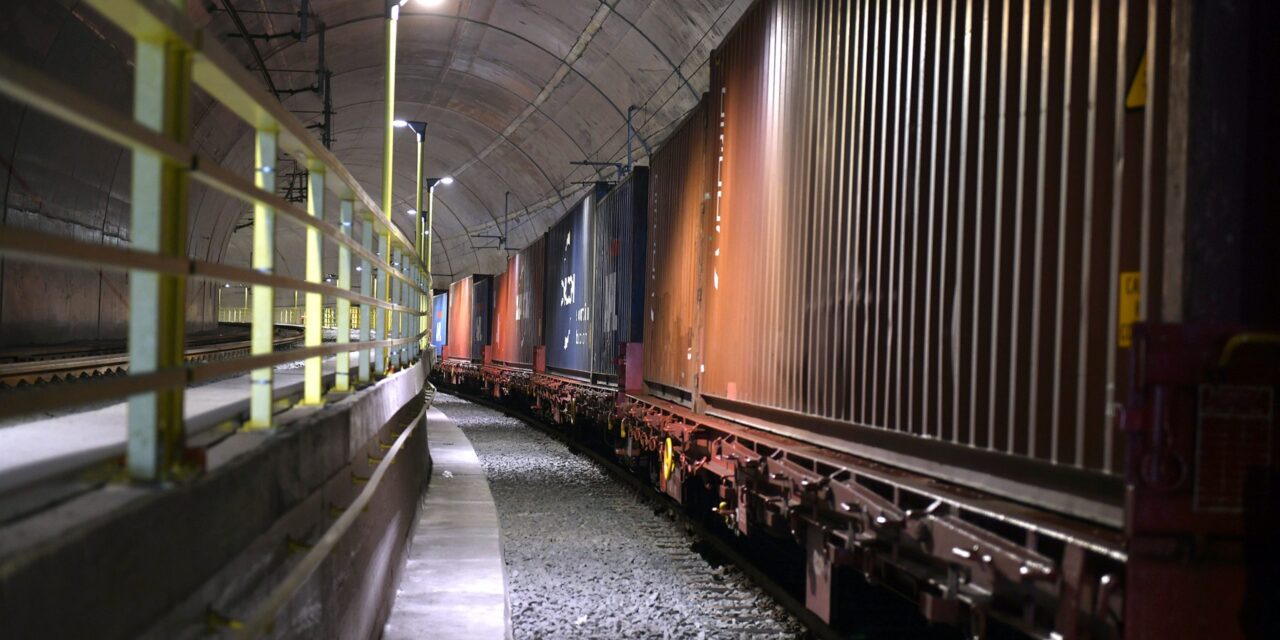
The dual approval, issued in May and September 2025 for the two main sections (Karlovac–Oštarije/Skradnik and Skradnik–Krasica–Tijani), now allows work to accelerate on executive designs and construction permits. The new line will cover 111 kilometers in total, with a double track for mixed traffic designed for speeds of up to 160 km/h. Plans include five railway stations and a depot, 17 viaducts totaling about 10 kilometers, and 14 tunnels with a combined length of 57 kilometers. The most complex works will be the two Kapela tunnels, 10 and 15 kilometers long, crossing the Velika and Mala Kapela mountain ranges.
The cost of preliminary design alone exceeds €4.5 million, split between the two sections already awarded to specialized consortia. Delivery of the technical documentation is scheduled between February and November 2026. As for the start of works, HŽ Infrastruktura (Croatia’s network manager) estimates an optimistic completion scenario by 2032, while the more realistic forecast sets the conclusion at 2036.
The project carries crucial weight for the Port of Rijeka. According to a study by the Faculty of Economics in Osijek and the Faculty of Maritime Studies in Rijeka, the line is a necessary condition for the port’s development. If completed by 2035, the infrastructure could generate an economic impact of €2.5 billion for Croatia by 2040. Completion as early as 2032 would raise the estimated effect to €3.3 billion and about 8,600 new jobs, quintupling the current economic impact linked to the port. The 56-kilometer reduction in distance and faster travel times would strengthen Rijeka’s role – which has just inaugurated a new container terminal – as the Adriatic gateway for international trade, while also consolidating Croatia’s logistics connections with Central Europe.