

TRIESTE – Two alerts were raised on Monday evening at the Port of Koper: a rail incident and a gas leak that left several workers intoxicated.
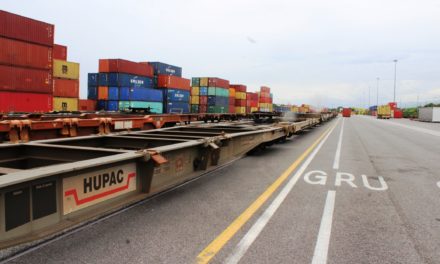
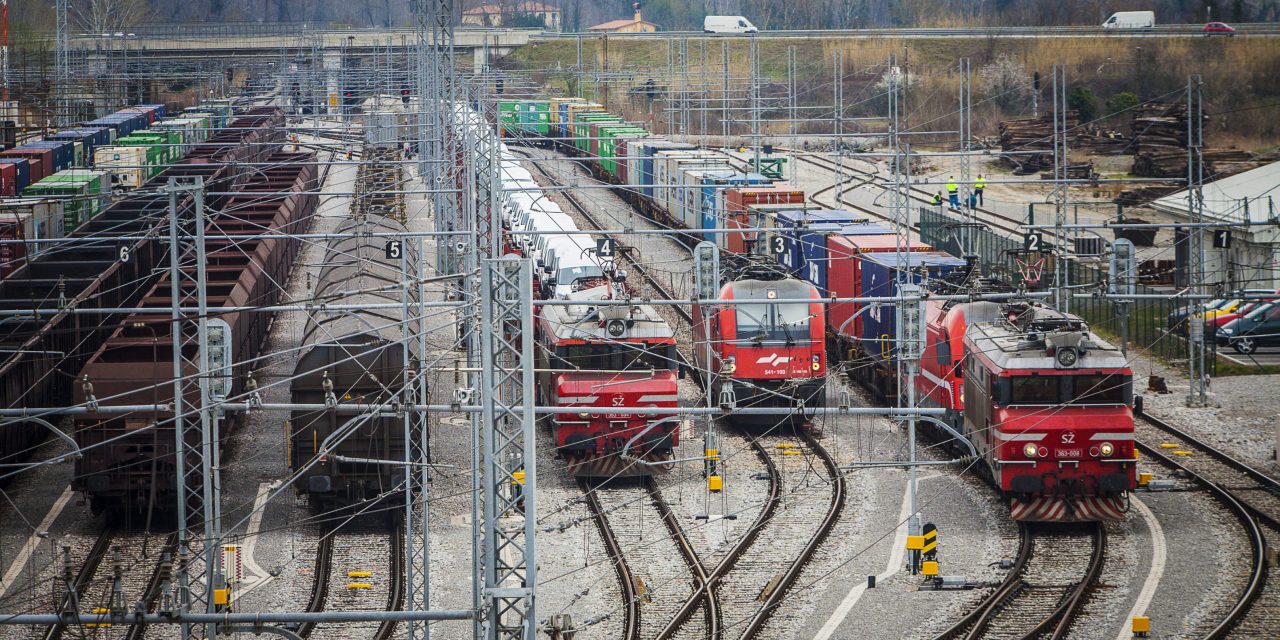
According to reports from local Slovenian media, the port area saw two incidents within a short time of each other—news items that bring operational safety back into focus at one of the main logistics hubs in the Northern Adriatic. The Primorske Novice website reports that the first incident occurred shortly after 23:00. An employee at the Koper railway station reported an emergency: a moving locomotive had crashed into a stationary consist of rail wagons used for transporting cars, inside the rail terminal.
Police checks found that a 24-year-old driver was operating an empty locomotive towards the port. While running, he failed to notice a stationary train of wagons on the same track. Despite braking, the collision with the loaded wagons could not be avoided.
A shunter was also on board the locomotive and, during the impact, braced himself against a guardrail, sustaining a minor leg injury. The driver is now suspected of endangering the safety of special public transport, having caused the accident through negligence and in breach of railway safety rules. A traffic inspector also attended the scene to carry out the relevant checks.
A few hours earlier, just after 20:00, a second alert had already mobilised police and emergency services inside the port. The Republic’s Information Centre reported that emergency teams were dispatched to the Port of Koper after a call stated that several workers had fallen ill during transhipment operations involving liquid cargo.
On-site checks established that workers handling rail tank cars containing diesel and biodiesel had detected the presence of gas. Exposure led to intoxication for seven workers involved in the operations. Three of them were taken by ambulance to the Izola General Hospital for treatment, while three others were driven to hospital by colleagues. Authorities are now reconstructing the exact sequence of events and assessing the safety conditions at the worksite.
The two incidents, concentrated in the same evening, did not have serious infrastructural or operational consequences, but they reignite debate around risk management in major logistics nodes, where rail traffic, the handling of dangerous goods and night work coexist on a daily basis. For the Port of Koper—strategic for Central and South-Eastern European trade—safety remains as critical as operational efficiency.