

MONFALCONE – Monfalcone wants to shift the centre of gravity of its economic identity: from a shipbuilding city to a new reference point for the blue economy of the Upper Adriatic.
Recreational boating, until only a few years ago considered a sector running in parallel with the major shipbuilding industry, is now entering Friuli Venezia Giulia’s development strategy with much broader ambitions. This emerged from the Forum “La nautica al centro della crescita del Friuli Venezia Giulia”, hosted at the Olympic Hangar of Marina Monfalcone on National Sea Day.
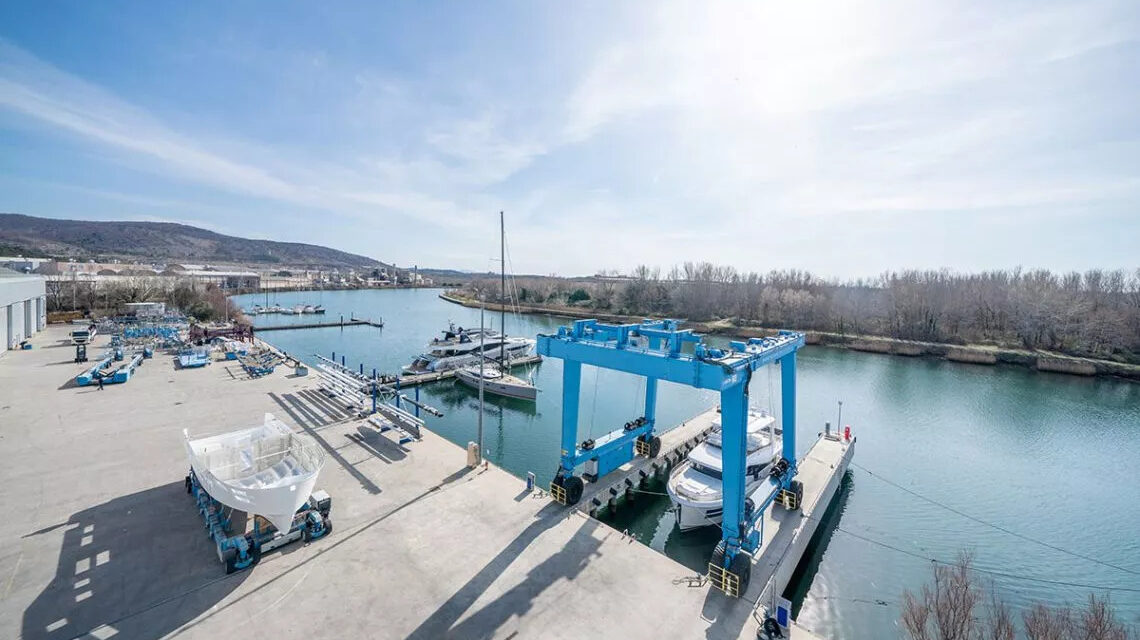
The stake for the area is clear: to turn its maritime vocation into a stable competitive advantage. Not just berths and seasonality, but marinas, refitting, technical services, storage, design, hospitality and training. In short, a sea economy capable of generating employment, investment and induced activity along a value chain wider than tourism alone.
According to the study presented by TEHA Group, the sea resource is worth 11.3% of national GDP and in 2023 generated 76.6 billion euros in direct added value, more than symbolic Made in Italy sectors such as fashion and agri-food. Within this economic geography, Friuli Venezia Giulia ranks in the upper tier: third Italian region for the share of maritime added value and first for density of berths per kilometre of coastline. Monfalcone, with 10,866 berths, equal to 68% of regional capacity, is Italy’s second-largest boating hub after Livorno.
The real challenge is understanding whether Monfalcone and Friuli Venezia Giulia will be able to turn this critical mass into a system. Competitive recreational boating does not live on moorings alone, but on service quality, maintenance capacity, technical specialization, investment attraction, connection with central European markets and customer retention. In this sense Monfalcone is playing an interesting game: leveraging its position in the Northern Adriatic to consolidate itself as an advanced boating hub, capable of serving not only the regional area but also the central European basin.
Political statements remain within this framework. MEP Anna Maria Cisint insisted on the idea of a city that is no longer only a symbol of major shipbuilding industry, but also a place where boating and port activities open up new spaces for work and enterprise. Regional councillor Sergio Emidio Bini claimed the Region’s change of pace, starting from regulatory tools and support for marinas and refitting. Mayor Luca Fasan linked the sector’s growth to investment along the coast and to the ability to attract operators and capital.