

TRIESTE – The Emilia-Romagna Region has confirmed its decision to continue incentivising river-sea and rail freight transport, even though volumes remain marginal today. This is the central point of the reply given by Regional Councillor Irene Priolo to a question raised in the Assembly by Fausto Gianella (Fratelli d’Italia).
The councillor had asked for clarification on the real weight of freight transport by sea and inland waterways within the regional total, both in terms of volumes and percentages, as well as the number of vessels actually operating in Emilia-Romagna’s canals and ports. The question also referred to the latest data, showing that in 2023 waterway traffic in the region stood at just over 42,000 tonnes, down on the previous year, and that the Ferrara waterway has not yet delivered concrete results despite the investments made.
In her reply, Priolo framed the issue within a broader strategy for regional logistics. She recalled that works are under way to strengthen suitable areas and that the Region’s action also concerns the airport system and freight logistics, with the aim of increasing the area’s overall attractiveness. In this framework, the regional executive has allocated two million euros per year in incentives for both river-sea transport and rail, alongside direct discussions with operators to assess the measures’ actual competitiveness.
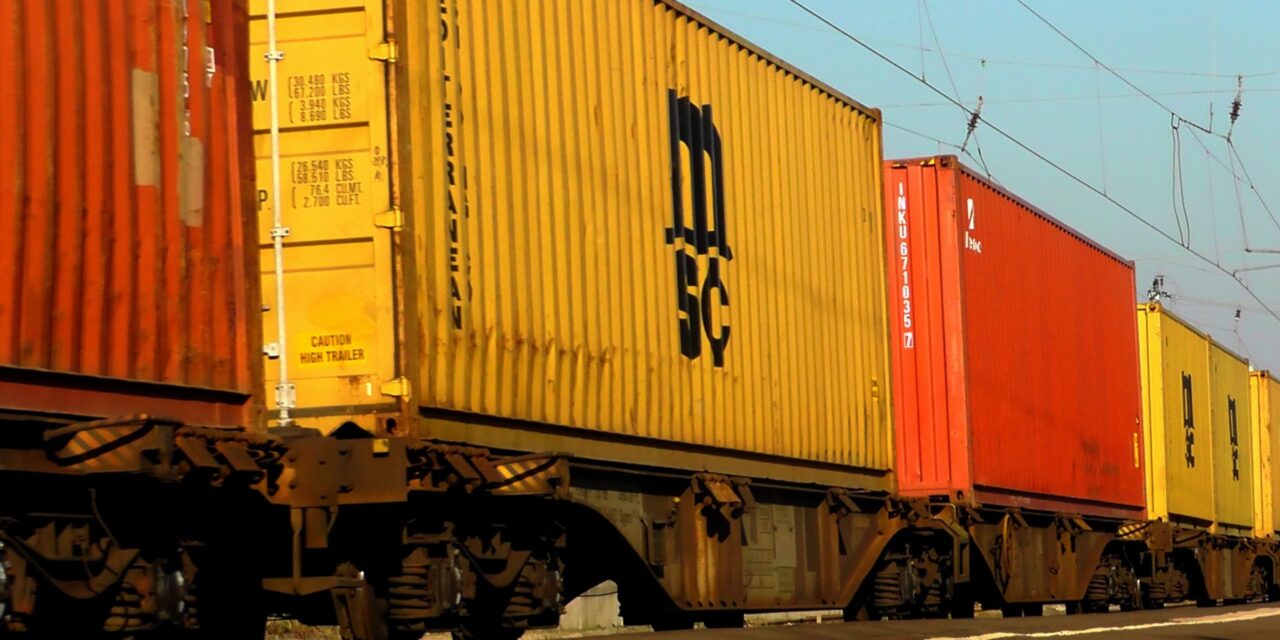
Priolo also announced that three separate areas of intervention will be presented in committee: the ferrobonus, track-access discounts to reduce the gap between regional lines and the RFI network, and a dedicated rail shunting measure to shift more freight from road to rail. The councillor stressed that the rail freight downturn is not specific to Emilia-Romagna but is also linked to PNRR worksites affecting the entire national network. Out of roughly 350 million tonnes of goods handled overall, she noted, only a very small share currently moves by rail or via ports.
Gianella said he was only partially satisfied with the answer, arguing that a structure capable of making river-sea transport truly competitive is still missing. In his view, the risk is that public resources will be channelled into infrastructure that will not manage to reach full operation, diverting funds from other works considered more aligned with the territory’s needs.