

TRIESTE – At a time when major shipping companies are strengthening their presence in the container terminals of the Eastern Northern Adriatic, the academic and logistics worlds are questioning the future of relations between Trieste, Koper and Rijeka and the different rules governing the three ports.
According to the latest analysis by the Italian Association of Maritime Operators (Aiom), the race by global shipping groups to control port infrastructure considered strategic for the future structure of international traffic is continuing. This is a trend that directly affects the Northern Adriatic, where the ownership structure of container terminals has changed profoundly in recent years.
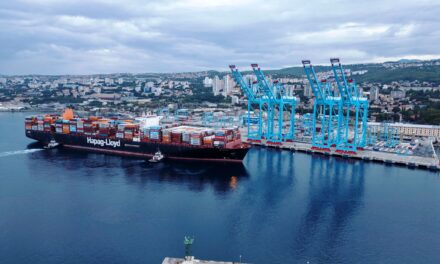
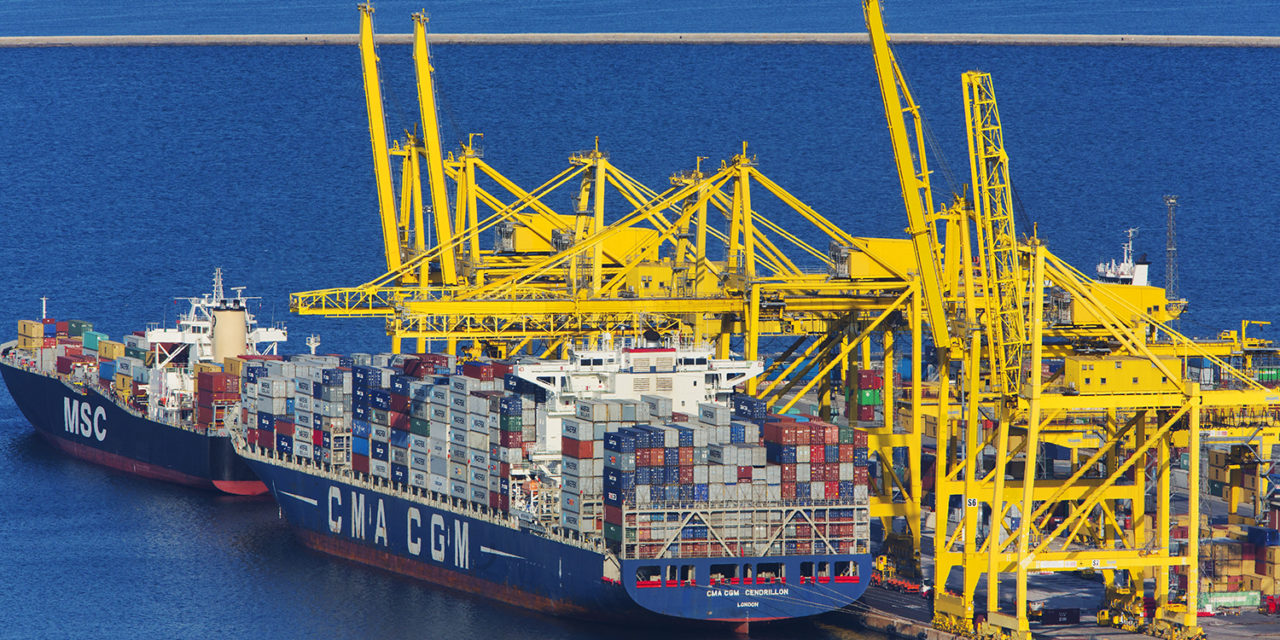
The association points out that the world’s leading shipping groups are consolidating their positions in the ports of the area. In Rijeka, the privatisation process and the entry of operators such as CMA CGM and Maersk are changing the balance of the Croatian port system. Trieste, for its part, continues to represent a strategic hub for MSC, while Koper maintains a particular position thanks to the predominantly public control of Luka Koper, which preserves greater autonomy from the direct interests of shipping companies.
Aiom stresses that, despite the severe uncertainties that continue to affect international maritime transport – from the crises in the Red Sea and the Strait of Hormuz to geopolitical conflicts and tensions on energy markets – shipping companies have slowed neither fleet renewal programmes nor investments in port terminals.
This is the context for the debate organised as part of Adriaports Forum with the University of Trieste and Confetra FVG. The event, scheduled for 25 June at the University of Trieste, will focus on the theme “Three ports, three regulatory frameworks. Trieste, Koper and Rijeka between competition, cooperation and shared development”.
The initiative stems from the observation that the issue of possible alliances or integration between the three Northern Adriatic ports periodically returns to the centre of discussion among operators and institutions. The aim will be to analyse how the different legal and administrative models affect port competitiveness and what prospects for cooperation may exist in an area that is taking on an increasingly significant role in European trade routes.
In terms of traffic, Aiom notes that in the first months of 2026 the container system of the Eastern Northern Adriatic shows overall substantial stability compared with the previous year, although with different dynamics among the individual ports. Koper recorded growth of 8.86% in the first three months of the year, while Trieste continues to be affected by the reorganisation of services following the end of the 2M alliance, while showing signs of volume recovery. In Rijeka, meanwhile, the transfer of some services to the new Rijeka Gateway terminal is reshaping the distribution of traffic among the different facilities of the Croatian port.
The evolution of shipping companies’ stakes in terminals and the debate on different port regulations thus represent two sides of the same challenge: defining the future role of the Northern Adriatic port system in an increasingly concentrated and competitive global market.