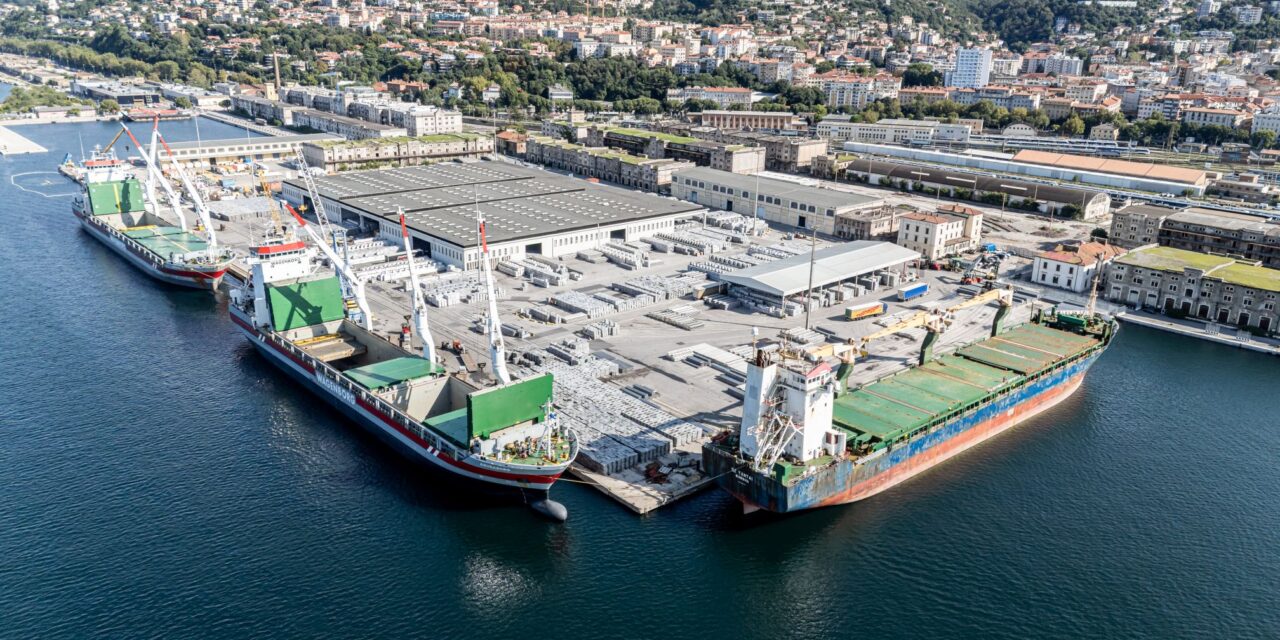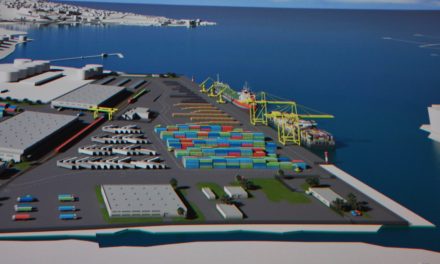


TRIESTE – Genoa Metal Terminal (GMT), which together with Adriaterminal manages the only port activity inside Trieste’s Porto Vecchio, is open to the redevelopment of the site, but is calling for a defined path to ensure continuity for traffic and employment.
The company, active in the Friuli Venezia Giulia port in the general cargo segment, is taking a position on the urban regeneration project for the historic area, considered legitimate but to be included within a broader port strategy. The central issue is operational: an active terminal cannot be closed unless a concrete alternative solution already exists, with compatible timings and conditions.
GMT handles around 800,000 tonnes a year and generates more than 200 jobs, including direct and related employment. These are labour-intensive traffic flows, where every operation requires specialised manpower and connected services. For this reason, according to the company, an unplanned relocation risks interrupting a local economic system made up of transport, maintenance, logistics and technical activities.
The company is part of the international Steinweg group, founded in Rotterdam in 1847 and present in several global logistics hubs. In Italy, GMT has developed an integrated network and in Trieste it also plays a coordination role for some areas of the Mediterranean and the Adriatic. The terminal specialises in break bulk, handling non-ferrous metals, steel products and plant engineering cargo.
A distinctive element is represented by its international authorisations: GMT operates with warehouses approved by the London Metal Exchange and ICE Futures Europe. These are certifications that, in Italy, concern only a limited number of ports and require a direct presence within the port area.
In the debate over Porto Vecchio, GMT stresses that the area has infrastructure limitations, especially in terms of accessibility and intermodality, compared with the areas of Porto Nuovo. For this reason, the company does not oppose the relocation of activities, but is asking to know where and when it can take place, with a clear timetable.
«We are not opposed to redevelopment», says Andrea Bartalini, CEO of C. Steinweg – GMT, «but we have a responsibility to ensure continuity for workers and customers. Clarity is needed on alternative areas and operating conditions».
In the short term, GMT is also proposing an operational measure to reduce the impact on urban traffic: the identification of external storage areas to be used as buffers. In this context, the company recalls that it has already submitted an expression of interest in using spaces at Noghere, with the aim of easing traffic flows in the city.
The company remains available for discussions with institutions and the Port System Authority. The request is a single one: to accompany urban regeneration with a concrete industrial plan, avoiding the loss of traffic and expertise built up over time in the port of Trieste.
Trieste, Adriaterminal calls for plan to relocate from Porto VecchioThe Steinweg group operator is open to redevelopment, but with clear timings, alternative areas and operational continuity